
8 Water-Smart Landscaping Tips
Posted on July 15, 2026Whether maintaining large yards with a lot of landscaping features or small green spaces and gardens, it’s important to keep your outdoor water use in mind. In addition to making better use of limited water resources and keeping your utility bills a little lower, water-smart landscaping also benefits your outdoor spaces. Here are some water-smart landscaping tips to consider for your backyard and outdoor spaces:
- Prioritize native plants.
- Consider adjusting when you plant.
- Create hydrozones with plants.
- Consider when and how you water.
- Prep soil properly and adjust maintenance accordingly.
- Use rain barrels to collect water.
- Think about installing retaining walls.
- Use walkways and hard surfaces strategically.
1. Prioritize Native Plants
Upgrading your landscaping is one of the ways to improve your backyard. The plants you decide to include in your yard can make a big difference in your landscaping and in your outdoor water use. Native plants are naturally adapted to the local climate, including temperature, rainfall, and other weather patterns.
Plants indigenous to your area can help create a garden that needs less extra maintenance, provided there isn’t a prolonged unusual weather pattern. You can also focus on native, drought-resistant plants that require less water to thrive anyway. Plus, native landscaping is also a curb appeal trend.
2. Consider Adjusting When You Plant
Planting early enough so that plants have deeper roots before the first heat of summer can also help, but prime planting will depend on the plant and how consistently winter freezes give way to warmer spring temperatures.
In some cases, you may be able to plant in the fall and protect landscaping through the winter, so that plants have more time to establish those root systems. However, this can also run the risk of freezing or killing off your plants if that winter is particularly cold or long-lasting, or if warm and cold days are inconsistent and temperatures are more extreme during the transition into spring.
3. Create Hydrozones With Plants
Another thing you can do for water-smart landscaping is to intentionally plan out your landscaping and organize plants in hydrozones. This means grouping plants together based on their watering needs, in addition to their light needs.
Drought-tolerant plants that require little water can be grouped together, while plants that require frequent watering can be grouped together. This helps make sure “thirsty” plants get the water they need without running the risk of over-watering plants that need very little.
4. Consider When and How You Water
Other water-smart landscaping tips include adjusting when and how you water:
- Water early in the morning.
- Direct water to the roots.
- Implement automation where it makes sense.
Watering in the early morning can reduce evaporation rates and allow more water to get deeper into the soil before the day gets too hot. Soaker hoses or drip irrigation systems can help direct water to root zones, which helps get water into the soil and where it is most needed. There are also automation options that leverage timers and smart technology to monitor the weather, automate and adjust watering, and help reduce unnecessary water usage.
5. Prep Soil Properly and Adjust Maintenance Accordingly
The soil you use, mulching, and maintenance all affect your landscaping and can also be adjusted to make the most of the water you use outside.
- Aerate your soil.
- Use the right amount of mulch.
- Regularly remove weeds.
- Prune less often.
- Raise your lawnmower blade and mow higher.
Prep Soil
Take the time to aerate your soil properly. This improves your soil’s capacity to hold onto water and absorb it much better. This will help your plants get the water they need before it evaporates more efficiently.
Mulch insulates plants a little bit, helps to reduce evaporation, and also helps keep weeds at bay. 2-3 inches of organic mulch, like compost, shredded bark, etc., is a good place to start. Working together, these methods improve your soil overall, increase water absorption, and can even help you reduce how much water you need to use.
Adjust Maintenance
You can also adjust your garden and landscaping maintenance to suit the season, and include those tasks in your summer home maintenance. Regularly removing weeds, which may need to happen more frequently in the spring and summer, ensures all the nutrients and water you’re using benefit your plants and not the weeds.
Although you don’t want to avoid pruning entirely, you do want to minimize over-pruning, which can make plants prioritize new growth. New growth can be great, but it also tends to be more tender and require more frequent watering since it cannot shade its own root zone yet. Being more aware of how often and what you are pruning, and pruning less often if needed, can help. Maintaining your landscaping is a curb appeal idea that can improve your home’s exterior look and feel, but you don’t want to overdo it and damage your plants either.
During the summer, it can also be helpful to raise your lawnmower blades and adjust the height to mow higher and leave the grass a little bit longer. Longer grass provides more shade to the soil and helps to encourage deeper root growth. Your local ordinances and HOA regulations may have specific parameters on grass length, so make sure you are keeping those in mind to avoid unnecessary fines.
6. Use Rain Barrels to Collect Water
One of the biggest water-smart landscaping tips is to use rain barrels or cisterns to collect rainwater that you can use to water gardens and other plants in your landscaping. Usually, rain barrels are positioned to collect rainfall and runoff from your roof. Harvesting rainwater means needing to use less water from your home’s systems. There may even be times that you don’t need to use your home’s outdoor spigot or sprinklers at all.
7. Think About Installing Retaining Walls
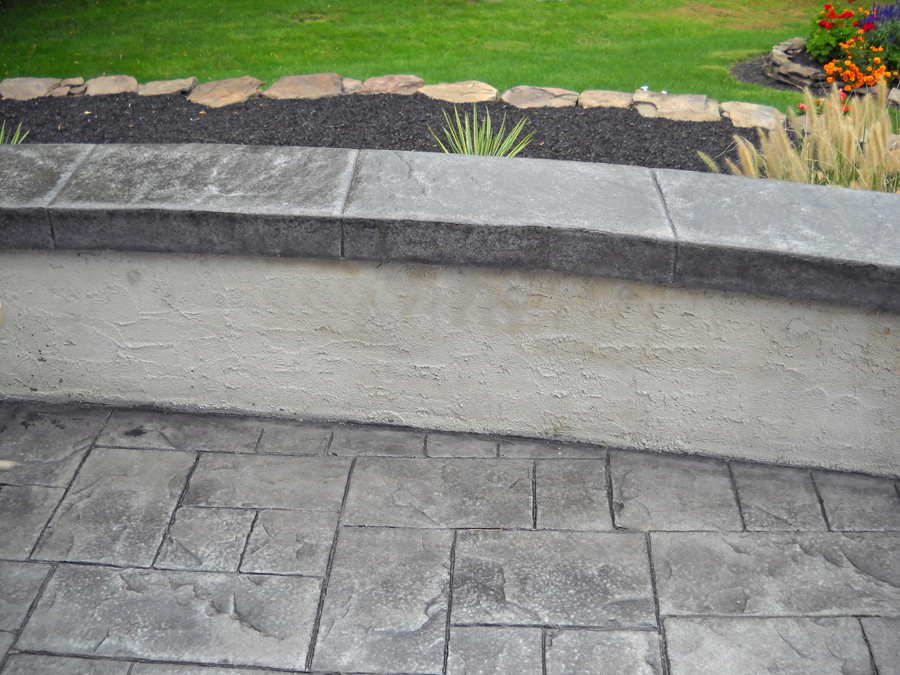
Another water-smart landscaping tip is to think about installing retaining walls. Retaining walls are necessary for some properties. Even if your property doesn’t necessarily need a retaining wall, there are benefits of installing a retaining wall to consider.
In addition to preventing soil erosion and shifting, retaining walls also help manage and direct water around your property. This is a key reason to consider a retaining wall. It can also help keep water from pooling in areas. Retaining walls can also help you level out uneven land, landscape on slopes, and more.
This means you can also use them to better distribute and direct rainfall, and help to make the most out of any water you do have to use outside, all while protecting your home from water damage, too.
8. Use Walkways and Hard Surfaces Strategically
Repairing, upgrading, or adding walkways is a popular summer home improvement project. In addition to retaining walls and other structures, one of the water-smart landscaping tips is to use walkways and hard surfaces strategically. The design, materials, and placement of walkways and surfaces around your property affect your use of it and also affect how water moves around your property.
Depending on your lot, your landscaping, and more, you can use walkways and other hard surfaces, like your concrete patio, pool deck, etc., to help manage and distribute water while also creating convenient paths through your yard.
Improve Your Outdoor Spaces With Zephyr Thomas
Maximizing outdoor spaces is a home renovation trend, and it can include updates to your backyard. These are just a few water-smart landscaping tips to consider as you think about your yard. If you need to add walkways or replace existing walkways, add or upgrade a patio, or are considering retaining walls, Zephyr Thomas can help! Contact us at 717-399-4708 to start a conversation or to schedule your free estimate.