
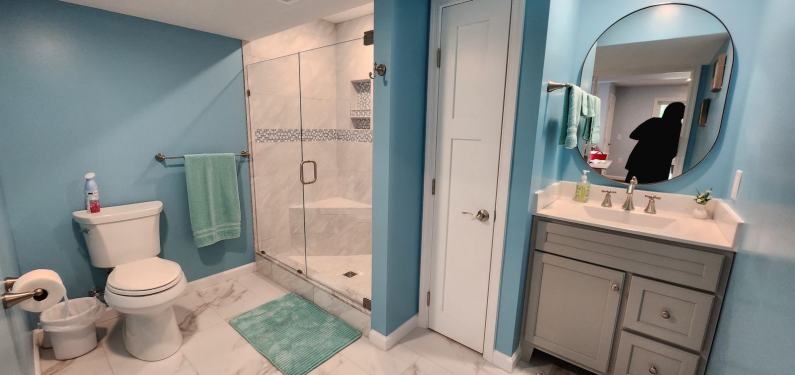
5 Types of Shower Drains to Consider For Your Bathroom Remodel
Posted on January 15, 2026When planning a shower or bathroom remodel, there are lots of things to think about. One of those important aspects is picking the right type of shower drain. There are a few different types to choose from, but it depends on what kind of shower you have. Here are a few types of shower drains to consider for your bathroom remodel:
5 Types of Shower Drains
Switching the style and type of shower drain to complement your shower design is a shower remodeling idea. Whether you are updating the shower or remodeling your whole bathroom, here are a few different types of shower drains to consider for your shower remodel:
- Point drain
- Linear drain
- Perimeter or edge drain
- Tile-in drain
- Wall-mounted drain
1. Point Drain
One of the most common types of shower drains is a point drain. This drain is often located in the center of the shower and is either round or square. These types of drains are cost-effective and relatively easy to install. To drain properly, the shower floor needs to slope toward the center of the shower.
Point drains are usually a more traditional type of drain, but they can come in different styles to work with many different bathroom designs. While they work well in smaller showers, they may not be a great choice for larger showers because the smaller size tends to clog more quickly than other types of drains. They can work in larger showers, but should probably also be a larger-than-standard point drain to better accommodate the space.
2. Linear Drain
Another type of drain found in showers is a linear drain. This is a long and narrow drain that is located on one side of the shower floor. Linear drains give a modern and minimalist look to any bathroom shower.
Due to the larger surface area, it’s much easier for water to drain properly, ensuring fewer clogs and headaches. Linear drains need a continuous slanted slope of the floor to direct the water to the drain. These are a great option in larger showers. Determining the size of your shower and how drainage works is an essential bathroom remodeling tip.
3. Perimeter or Edge Drain
Perimeter or edge drains are a type of linear shower drain, but they run around the entire perimeter of a shower floor. These types of drains are often found in a barrier-free shower because they allow for a level shower floor.
4. Tile-In Drain
If you plan to have a tiled shower, a tile-in drain is a good option. These drains have a removable cover that has a piece of the surrounding tile. This allows the drain to almost disappear into the design of the shower.
5. Wall-Mounted Shower Drain
If you plan on a curbless or low-curb shower in your bathroom remodel, you may want to consider a wall-mounted shower drain. This is a type of linear drain that is located at the bottom of the shower wall. Water slopes towards the wall and drains. They are a much more modern alternative to standard floor drains.
5 Factors to Consider For Shower Drains
There are quite a few things to consider when remodeling your bathroom, and one of those things is the type of shower drain. When choosing a shower drain, there are a few factors to consider. Here are the factors to consider for shower drains:
- Drain capacity
- Installation
- Maintenance
- Style and aesthetics
- Materials
1. Drain Capacity
Drain capacity is important when choosing a shower drain. This is because if the capacity can’t keep up with your shower’s output, you may risk water backing up. One of the benefits of working with a home improvement contractor is that they will be able to help you determine the right drain capacity for the output of your showerhead.
2. Installation
Installation is another important factor when considering a shower drain. Linear drains and tile-in drains will require more labor, while point drains are easier and can be retrofitted for most showers.
An expert will need to determine where to locate different types of drains, which is just one of the reasons to use a whole home improvement contractor. Linear drains or edge drains will need to have the right slope in order to drain properly. They’ll also need to determine the right size for these types of drains.
3. Maintenance
Different types of drains require different types of maintenance. Point drains often build up with soap suds and hair, so these drains require frequent removal of debris. Tile-in drains are similar to point drains, but the visible grout lines will need to be cleaned and debris removed.
Linear or perimeter drains have a much larger surface area, which means debris is spread out more. They also have fewer joints and seams for mold or grime to accumulate. However, a grate or trough will need to be removed and wiped down when too much debris begins to accumulate. This can be a rather involved process, so be sure you are prepared for that.
In order to keep your drain working properly, all shower drains should be cleaned regularly to remove soap scum and dirt. Forgetting about appliance maintenance, including shower drains, is a home maintenance mistake to avoid. To cut back on debris getting caught in the drain, consider things like hair catchers or other barriers.
4. Style and Aesthetics
While factors like installation and maintenance are important when picking a shower drain, don’t forget about the style and aesthetics. If you pick an industrial-looking shower drain for a spa-inspired bathroom design, your drain will look out of place.
Drains often come in many different colors, materials, and styles, so you are bound to find the right choice for any shower. Linear drains are unique and luxurious, perfect for a bathroom retreat. If you prefer a more traditional look, consider a point drain, either in a round or square design. Tiled showers will benefit from a tile-in drain design.
5. Materials
Materials are also important when choosing a shower drain. Think about what kind of grate material you want, such as brass, plastic, or stainless steel. Stainless steel will be the most durable, but brass can give your shower a luxurious feel. You will also need to match the pipe to your plumbing. Your contractor should be able to help you match these materials correctly, making sure everything works properly.
Remodel Your Bathroom With Zephyr Thomas
These are just a few types of shower drains to consider for your bathroom remodel. If you’re unhappy with your bathroom or are thinking of adding one to your home, we can help! Contact us at 717-399-4708 to schedule your free estimate.