
8 Places to Add Insulation to Your Home
Posted on December 26, 2025Good insulation is essential for protecting your home, preventing energy loss, and keeping your home comfortable year-round, whether you’re weathering the winter cold or the high heat of summer. Upgrading, replacing, or adding insulation to your home when and where needed is part of maintaining it, and is a home improvement project that can extend the life of your home and help you save on your energy bills. Here are a few places to add insulation to your home to consider:
- Insulate exterior walls.
- Seal small gaps.
- Update attic insulation.
- Wrap air ducts.
- Insulate basement rim joists.
- Add insulation under floors.
- Insulate high ceilings.
- Check your foundation.
1. Insulate Exterior Walls
Although drafty windows and doors can be some of the top ways you might be losing money on your energy bills, exterior walls can be a major source of heat loss and energy transfer if they are not properly insulated and sealed.
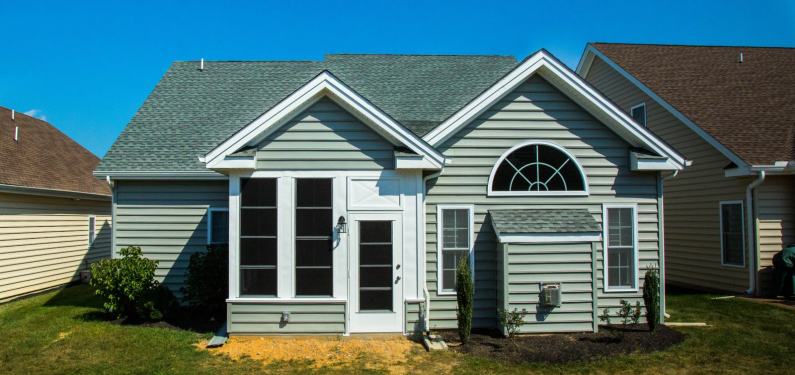
Siding that is damaged, outdated siding, or siding that is poorly installed or poorly insulated can make the exterior walls of your home a major source of energy loss and a big drain on your HVAC system. On top of that, it can leave your home exposed to the elements and at risk of leaks, water damage, and more. That’s why these are some of the signs your house needs new siding.
If you need to replace your siding anyway, getting the right insulation added to your home’s exterior walls will be part of the installation process. Your contractor will take care of it. If your current siding is in good shape and you just need more insulation inside and outside your exterior walls, a good home improvement contractor will be able to help you add the insulation you need.
Check out the time-lapse video below of the Zephyr Thomas team installing new siding for this homeowner!
2. Seal Small Gaps
Although they are not always top-of-mind, small gaps can contribute to bigger amounts of energy loss. Weatherproofing your windows and doors and insulating small gaps to seal them are winter home maintenance tips.
These home maintenance tasks may be important for winterizing your home, but sealing small gaps to better insulate your home will benefit your home in the summer, too. Start with the edges of windows and doors, and then look over your home for other small gaps that you can caulk to seal or where you can add insulation to seal air leaks.
3. Update Attic Insulation
Attics can be a huge source of energy loss in your home. If attics are poorly insulated or poorly ventilated, you can have problems with moisture, humidity, and temperature control, and also lose a lot of energy through the roof. These are reasons why ignoring proper ventilation, insulation, and more are big attic renovation mistakes to avoid.
This is also why updating attic insulation is a popular and impactful place to add insulation to your home. In addition to the walls, any “knee walls”, ceiling, and more, any ductwork in the attic should also be insulated, as well as the attic hatch or access door.
You can also consider a radiant barrier for your attic rafters to help reduce heat gain during the peak of summer. Working with an experienced home improvement contractor when remodeling an attic ensures this area is properly insulated and ventilated, and is designed and built to suit your needs.
4. Wrap Air Ducts
Just as you wrap pipes to protect and winterize them, wrapping air ducts and ductwork also helps to better protect and insulate your home. This is particularly impactful in any unconditioned spaces, like crawl spaces or attics. Insulating ductwork in finished basements and attics is beneficial, too.
Adding insulation in these places of your home helps alleviate extra stress on your heating and cooling systems, and helps to preserve and maintain their efficiency. As a bonus, this can help extend the life of your system and components and reduce the maintenance and repairs needed on them over time.
5. Insulate Basement Rim Joists
Basement rim joists, or band joists, are the boards that sit on top of the foundation walls and connect to the ends of the floor joists to form the perimeter of a floor. They are a major structural support and should be properly insulated and sealed to prevent energy loss and air leaks.
Energy loss, drafts, and having a space you can’t use as well are reasons why keeping an unfinished basement could be a mistake. But, even in a finished basement, poorly insulated rim joists can put unnecessary strain on your heating and cooling system.
If you’ve been thinking about remodeling your basement or finishing it, your home improvement contractor will make sure it is properly insulated. If you don’t need a full renovation, but could still benefit from adding or updating insulation in your basement, an experienced contractor can work with you to identify the best options for what you and your home need.
Check out the video below to see the Zephyr Thomas team complete a basement remodel for this homeowner, featuring custom ceiling tiles with LED lighting options, custom flooring, and a brand new basement bathroom addition!
6. Add Insulation Under Floors
Other places to add insulation to your home are under floors, especially slab floors, and floors that are above unconditioned or unheated spaces, like garages, porches, and attics. Underinsulated floors act as heat sinks that keep floors cold, pull heat down, and draw it out of the house.
Not only does this make the floor feel frigid, but it also contributes to energy loss and makes your system work harder. The right flooring, insulation under the floor, and insulation are important considerations before a garage conversion or if you are adding a second-story room addition above an attached garage. These are things a good contractor will take care of as part of the build.
If you’ve had new flooring installed, your contractor should have added insulation under the floors. If your flooring is outdated or is more than 10 years old, take some time to look over it. If you see buckling, sloping, uneven areas, or other damage, these could be signs it’s time to replace your flooring. You can also consider having a contractor you trust come out and take a look to evaluate the flooring and help ensure it is properly insulated.
7. Insulate High Ceilings
High ceilings, like vaulted ceilings and cathedral ceilings, are elegant and impactful design features in a home, but they can also contribute to heat and energy loss if they are not well-insulated or properly ventilated. If your home has high ceilings or you are planning to remodel interior rooms to have high ceilings, work with your contractor to ensure these areas are properly insulated and sealed.
This will help keep the ceiling temperatures closer and more consistent with the temperature in the rest of the room for more even distribution, increased comfort, and reduced risk of energy loss. These are reasons why proper roof ventilation is important, and applies to rooms with high ceilings, as well.
8. Check Your Foundation
It’s important for your home’s foundation to be well-insulated. This can help prevent air leaks and protect your home from water damage and moisture issues. In addition to insulating your home, this can also help protect the structural integrity of your home.
The foundation of your home will settle and shift slightly over time. Although cracks in the foundation can be silent signs your house has problems, small cracks are often a result of a house settling and are not always a cause for concern.
However, if cracks are larger than 18th of an inch, are horizontal or in a staircase pattern, or you see other issues, like sloping floors, bowing walls, and more, these are signs of structural damage you should not ignore. If you see something concerning, have an experienced contractor you trust come take a look. They will be able to determine whether something is an issue, and if so, the best way to resolve it.
Update and Improve Your Home With Zephyr Thomas
These are just a few places to add insulation to your home that can help combat drafts, make your home more comfortable year-round, prevent energy loss, and save on energy bills. Whether you want some help checking smaller maintenance tasks off your to-do list with handyman services or want to tackle larger remodeling projects to improve your home, Zephyr Thomas can help. Call us at 717-399-4708 to schedule your free estimate! Or, stop by our showroom to check out some windows, doors, siding, and other materials and projects in person.