
7 Types of Water Damage Commonly Mistaken For a Roof Leak
Posted on July 23, 2026Visible water damage in and around your home means that there is a leak somewhere. Sometimes, the source is obvious. But in some cases, the source might not be what you think at first. Ceiling stains, peeling paint, mold growth, and other things are signs of roof leaks, but they aren’t always. Other types of leaks can cause similar water damage. It’s important to identify the actual source of the leak and fix it. Here are some types of water damage commonly mistaken for a roof leak:
- Plumbing leaks on upper floors
- Flashing around windows and doors that is failing
- HVAC problems creating condensation issues
- Poor attic insulation causing condensation issues
- Other things causing condensation in the attic
- Siding failures leading to water damage
- Damage to vents or lines from pests
1. Plumbing Leaks on Upper Floors
There may be water supply lines and drainage pipes that are located inside walls or above your ceiling. If there are any leaks in these areas, even small, slow ones, you may see visible water damage start to appear on the walls and ceilings near where these pipes and lines are located.
When it occurs on upper floors, the water damage you see can look similar to water damage from a roof leak. If there is a leak above the ceiling or behind the walls, you may hear water running when nothing is on or supposed to be running.
This is one of the house sounds you should never ignore. You could also see your water bills spike or find dampness that persists even on dry days. With roof leaks, you usually find dampness after a rainfall, melting frost, or snow melt.
2. Flashing Around Windows and Doors That is Failing
Water damage around windows and doors is another type of water damage commonly mistaken for a roof leak, especially when it is on the exterior. Roof leaks or issues with gutters and downspouts are sources of exterior water damage, but they’re not the only ones.
Water damage in and around windows and doors, especially sliding glass doors, along with condensation, can be signs that there is something wrong with them. There are normal causes of window condensation and types of window condensation that indicate that you have issues with your windows. Windows and glass doors that do not seal properly anymore will have condensation issues and eventually other visible signs of water damage. This is how poorly insulated windows and doors can affect your house.
Flashing around windows, especially dormer windows, and sliding glass doors that are failing, either due to wear and tear, impact damage, or poor installation, can be sources of leaks. Often, stains from water damage in these cases will show up higher on the wall near the window or door frame, rather than in the middle of the ceiling, as you might see with other types of water damage.
Ignoring condensation issues on your windows and doors is one of the ways you might be encouraging mold growth in your home and allowing moisture to cause even more damage to your home. If you see condensation on, in, or around your windows or sliding glass patio doors that is not normal, it’s important to have your windows, doors, and home inspected for issues. Issues with flashing around windows and doors do not always mean that the entire window or door is an issue, but they can be reasons to replace your windows and doors.
3. HVAC Problems Creating Condensation Issues
Problems and issues with your HVAC system can also result in condensation issues and water damage. Depending on where it happens and how bad it is, the water damage you see can look similar to what you would see with a roof leak. However, in this case, the source is something wrong with your HVAC system.
This could be an issue with attic-mounted air handlers, air conditioning condensation pans overflowing, condensation pans that have rusted through or cracked, or clogged condensation lines or drain pans. On hotter days, your AC might be constantly running, and you may even find water pooling directly around the unit. This is usually more common with indoor units, but it can happen with outdoor units, too.
4. Poor Attic Insulation Causing Condensation Issues
Poor attic ventilation and insulation can mean wildly fluctuating temperatures in the attic and the rest of the home. In warmer months, it can result in pockets of high heat in the attic, which affects the attic itself as well as temperatures in the rest of the home. This is a common reason why your house might be so humid.
It also means that your HVAC system is working overtime to try to maintain a stable interior temperature. This is one of the ways you could be losing money on your energy bills. On top of that, poor attic insulation and ventilation can cause condensation issues, a buildup of moisture in and around the attic, and can lead to leaks with more substantial water damage.
Because the moisture issues and leaks are near the roof, they can sometimes be blamed on a roof leak. If your roof is very old and outdated, those can be signs that your roof needs to be replaced and may be contributing factors. However, if there are issues with your attic and your roof is in good shape, it’s not a roof leak causing the issues.
5. Other Things Causing Condensation in the Attic
Poor attic insulation and ventilation can create condensation issues in the attic, but issues in other areas of your home can also lead to condensation in the attic that mimics roof leaks. Poor or improper sealing in the housing around recessed lights, bathroom exhaust fans that vent to the attic, dryer vents that vent into the attic, and more can create condensation that looks similar to a roof leak.
You might see a direct drip, or you could see and feel a general dampness and humidity throughout the attic. You might even see wetness across the rafters. These are silent signs your house has problems. During colder months, you could see frost buildup in areas around the attic. These are ways that a roof leak can show up in an attic, but in these cases, a roof leak is not the cause of the water damage.
6. Siding Failures Leading to Water Damage
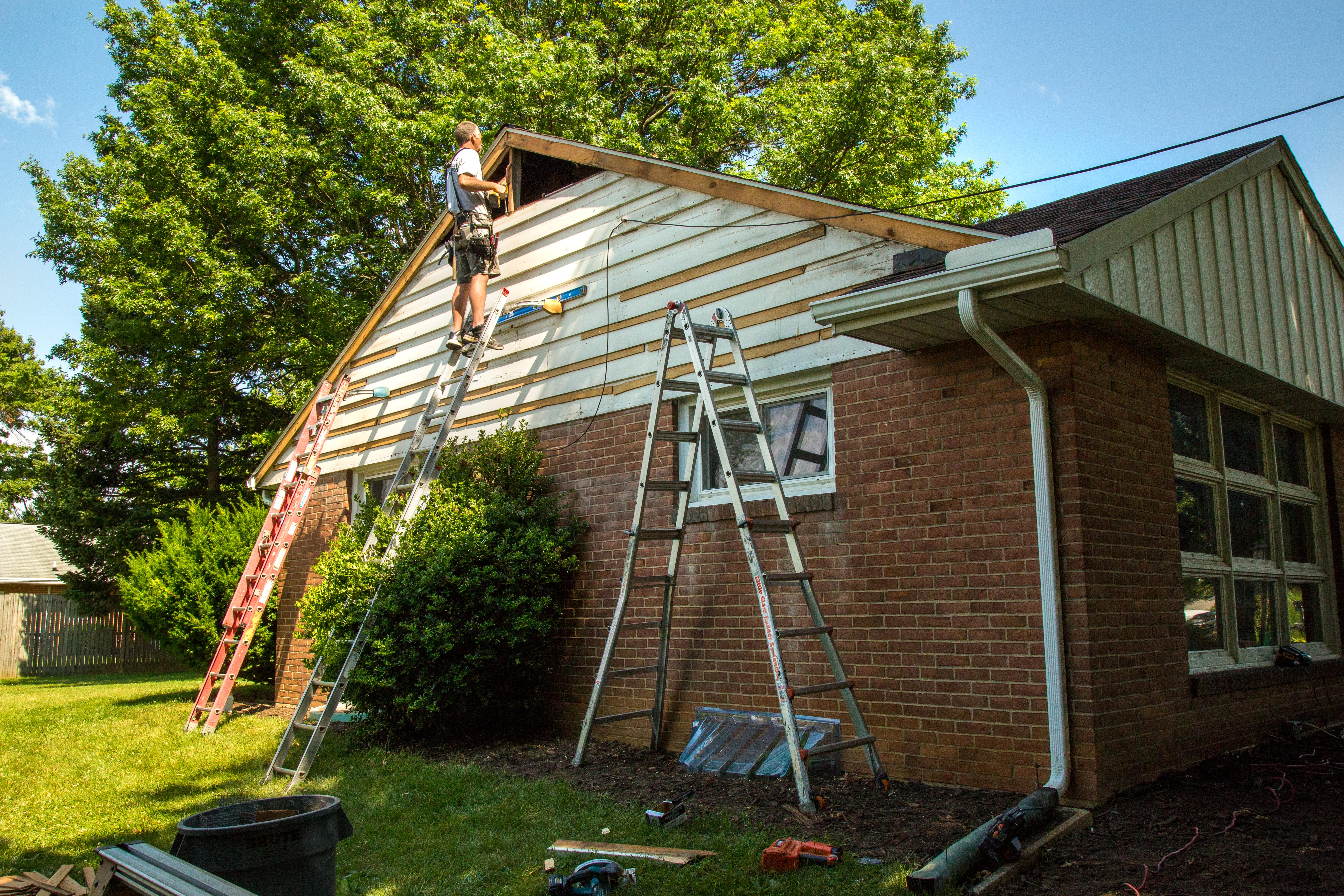
Degraded or damaged siding or damaged house wrap are siding failures that can lead to water damage. In these cases, the siding no longer provides a solid seal around your home, and water can enter, especially on windy, wet days.
When this occurs, water often travels down interior wall frames to pool on the ceiling, which can look like a roof leak even when it’s not. This is a key reason why visible damage, cracks or gaps, or other issues with siding are signs your house needs new siding.
7. Damage to Vents or Lines From Pests
Pests in your attic space can wreak havoc on your home. In some cases, they can even make you think you have a roof leak! Squirrels, raccoons, mice, and other pests can damage your plumbing vent boots that protrude through the roof. They can also be responsible for chewing through water supply lines that are located around the attic.
The water stains and damp spots that appear from this can look like a roof leak when the source is something else entirely. If you hear scratching, scurrying, chirping, or similar noises in your attic space, you may have a pest problem. If you hear those noises and then start finding water spots or damp areas, you could have a new leak caused by damage to supply lines or vents from pests.
Does Your Home Have a Leak? Zephyr Thomas Can Help!
Leaks, issues with moisture, and more can cause serious damage to your home and impact your health. Leaks and water damage are things homeowners should not delay fixing. But you have to know what is causing the issue in order to fix it. If your home has a leak or you are noticing signs of water damage, contact Zephyr Thomas at 717-399-4708. Whether it’s an issue with your windows, siding, attic, roof, basement, siding, or something else, we can help.